October 2026 environmental filings document elevated industrial solvents, delays in additional groundwater monitoring and unresolved questions about the future of the neighboring paper mill’s water wells.
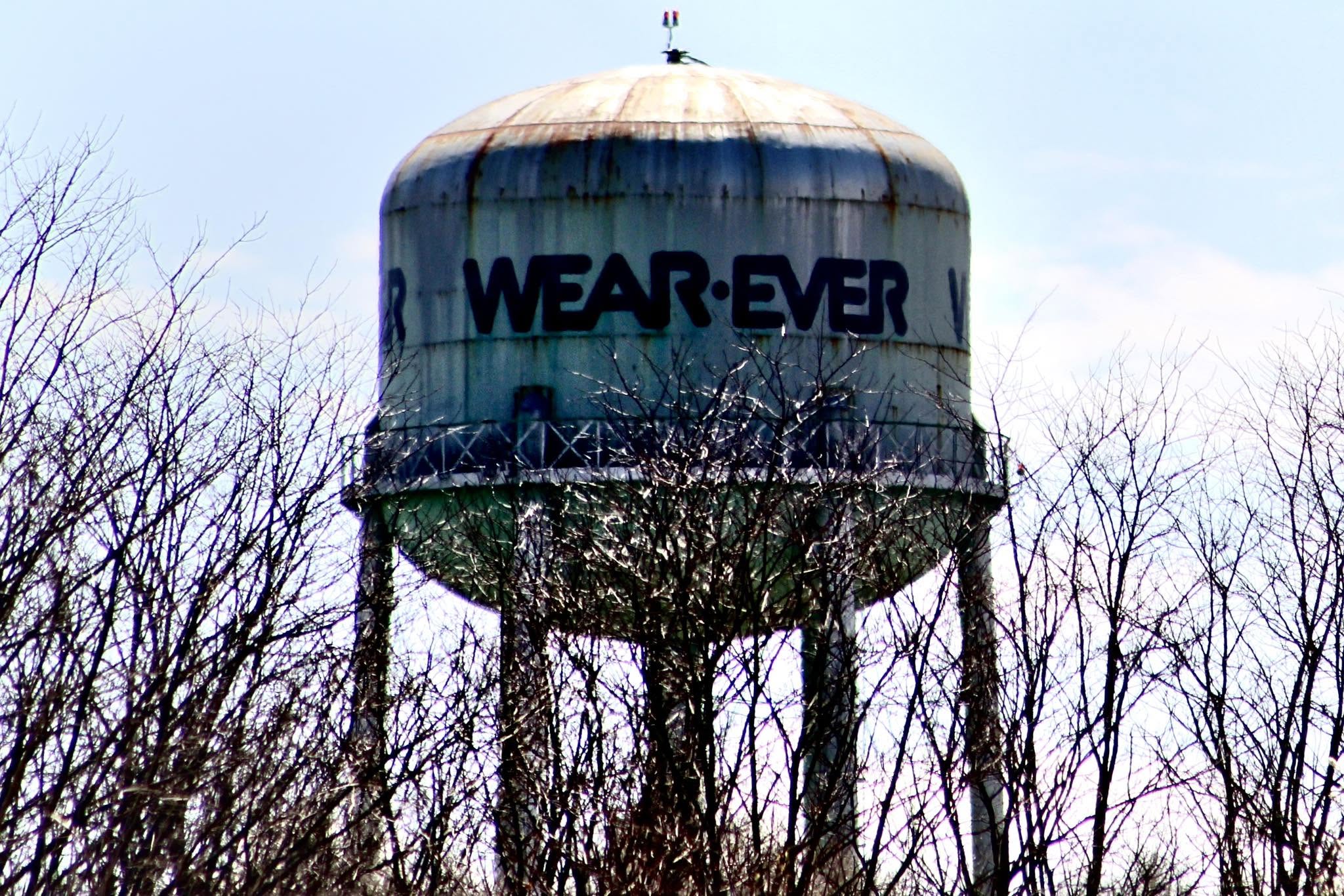
CHILLICOTHE, Ohio — More than 27 years after Ohio environmental regulators ordered cleanup measures at Chillicothe’s former WearEver manufacturing plant, new groundwater testing shows industrial chemicals remain beneath the property and have migrated beyond its boundaries, with some concentrations far exceeding federal drinking-water standards.
Two reports prepared for Howmet Aerospace and dated Oct. 10, 2026, reveal continuing contamination involving trichloroethylene, vinyl chloride and other chlorinated solvents. The documents also show that plans to expand the groundwater monitoring network remain delayed because agreements allowing access to neighboring properties have not been finalized.
The findings come as the neighboring former Chillicothe paper mill undergoes major ownership and operational changes, creating uncertainty about the industrial groundwater pumping system that has helped control the direction of the contamination for years.
Groundwater samples exceed federal standards
Testing conducted June 23, 2026 identified several chemicals at concentrations substantially higher than the U.S. Environmental Protection Agency’s drinking-water maximum contaminant levels.
At monitoring well MW-C-I, located on the former WearEver property, laboratory testing detected:
- Vinyl chloride: 230 micrograms per liter, approximately 115 times the federal drinking-water standard of 2 micrograms per liter.
- Trichloroethylene (TCE): 260 micrograms per liter, 52 times the federal standard of 5 micrograms per liter.
- cis-1,2-Dichloroethylene: 2,300 micrograms per liter, approximately 33 times the federal standard of 70 micrograms per liter.
- 1,1-Dichloroethylene: 99 micrograms per liter, approximately 14 times the federal standard of 7 micrograms per liter.
A second on-site monitoring well, MW-D-S, recorded TCE at 220 micrograms per liter, 44 times the federal drinking-water standard.

The contamination is not confined to the former factory property.
At off-site monitoring well MW-OS-1-I, laboratory results documented cis-1,2-dichloroethylene at 300 micrograms per liter, TCE at 7.6 micrograms per liter and vinyl chloride at 3.1 micrograms per liter. All three exceeded their respective federal drinking-water standards.
The contaminants are associated with industrial solvent use and degradation. TCE and vinyl chloride are chemicals linked to cancer risks from exposure.
One off-site monitoring well east of the property, MW-OS-2, had no detected chemicals identified as site-related constituents of interest during the June sampling event.
Paper mill pumping remains central to containment
One of the most significant findings concerns the relationship between the contaminated groundwater and industrial wells at the neighboring paper mill.
For decades, high-capacity groundwater wells associated with the mill have influenced the direction of groundwater movement around the former WearEver facility.
The monitoring report identifies Collector Wells 17 and 18, approximately 2,000 feet east and northeast of the contaminated site, as particularly important to the existing groundwater-control strategy.
When those wells operate, groundwater tends to move toward the east and northeast, where the industrial collection system has historically helped contain the contaminated plume.
But previous changes in pumping have altered that movement.
Engineering records describe periods between 2008 and 2013 and again in 2020 when groundwater shifted toward the southeast.
The June 2026 report states that if industrial pumping decreases substantially or stops, groundwater beneath the former WearEver property would likely move east-southeast, generally toward the Scioto River.
That potential change has implications for evaluating groundwater conditions near properties southeast of the former factory.
The latest report says collector well 17 was not operating during the June monitoring event.
Key Environmental reported that the longer-term pumping plans of U.S. Paper Mill remain uncertain.
The issue is especially relevant as the former mill property is evaluated for new industrial and digital infrastructure operations that may use portions of its existing water and wastewater systems.
Parties involved in the new ownership and transition of the former paper mill have publicly stated that the wells will remain operational. However, experts have cautioned that the industries currently proposed for the site are unlikely to require the same volume of water or level of groundwater pumping historically needed for paper manufacturing.
Additional monitoring wells remain delayed
The new documents also provide an update on Howmet’s orders to expand its groundwater monitoring network.
Ohio EPA raised concerns in July 2025 about the potential consequences of reduced pumping at the paper mill and requested additional monitoring.
Howmet subsequently negotiated a revised plan for additional wells to provide better information about groundwater movement beyond the original monitoring locations.
However, the October 2026 progress report states that access agreements sent to nearby property owners in October 2025 had not been returned with signatures.
As a result, installation of the additional wells has not occurred.
The delay leaves part of the planned expanded monitoring network incomplete at a time when the site’s groundwater-control conditions could change.
Howmet says it began enhanced quarterly groundwater monitoring during the third quarter of 2025 and says it will continue until conditions are better understood.
Some monitoring locations could not be accessed
The second-quarter report identifies additional limitations during the June sampling event.
Two monitoring wells, MW-I-S and MW-I-I, could not be accessed because dense vegetation, including poison ivy, created safety concerns for field personnel.
A landscaping contractor subsequently cleared the area to restore access for the following monitoring period.
Three additional wells associated with the neighboring paper mill were not gauged because of locked gates or excessive vegetation.
The consultant identified those measurements as voluntary when access was feasible.
WearEver remains one of the most toxic locations in the state of Ohio.

Vapor protection equipment repaired
The separate third-quarter progress report also documents maintenance involving vapor intrusion controls at the former WearEver building.
A variable-frequency drive associated with a sub-slab depressurization system in an unoccupied warehouse area failed and was replaced by an electrical contractor.
Sub-slab depressurization systems are designed to reduce the potential for underground vapors to enter buildings.
The report does not identify how long the equipment was out of service or document an indoor-air exposure associated with the failure.
More test results are forthcoming
The third-quarter progress report confirms that 14 additional groundwater samples were collected August 19 and 20 for volatile organic compound analysis.
Those laboratory results were not included in the two October filings. They are expected to appear in a separate third-quarter groundwater monitoring report.
The new records therefore leave several questions unresolved: whether the latest sampling identifies any change in contaminant concentrations, when additional monitoring wells will be installed, how the paper mill’s future pumping operations will affect groundwater movement, and whether the existing remedy will require modification.
For a contamination problem that has remained under state oversight since 1999, the reports show the plume and the continuing presence of industrial chemicals beyond the former WearEver property.
The central issue now is whether the existing groundwater controls and monitoring network will remain sufficient as the neighboring paper mill property enters a new period of industrial redevelopment.