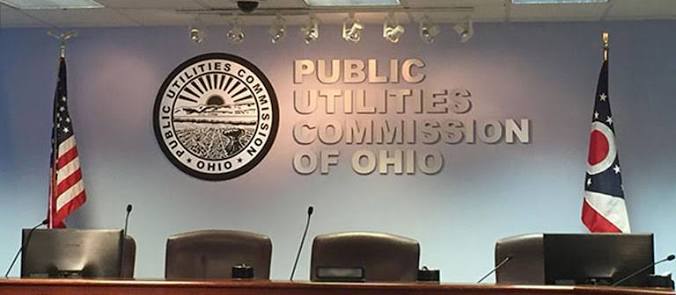
COLUMBUS, Ohio — Ohio’s utility regulator moved this week to shield residential and business customers from energy cost increases driven by large data center customers, ordering AEP Ohio to implement a new framework that isolates data center expenses from the default rate paid by other customers.
The Public Utilities Commission of Ohio issued the order August 5 in Case No. 26-113-EL-ATA, granting AEP Ohio interim relief it had sought since February to address growing concerns about data centers disrupting the state’s standard electricity pricing structure.
“We continue to implement safeguards to ensure that other customers are not impacted by costs to serve large loads like data centers,” said PUCO Chair Jenifer French.
Under the new framework, data center customers subject to AEP Ohio’s Data Center Tariff must provide 180 days’ advance notice before returning to the Standard Service Offer — the default electricity rate available to customers who do not choose a competitive retail supplier.
If a data center gives proper notice, AEP Ohio will conduct a separate procurement to serve that customer’s load. If a data center returns without sufficient notice, AEP Ohio will use spot market purchases from the PJM wholesale market. In both cases, the full cost falls entirely on the data center customer — not on residential or commercial customers sharing the default rate.
The order is temporary. The commission said its decision should not be read as a final position on long-term cost allocation for data center customers. A second phase of the proceeding will address permanent tariff structure once federal decisions from FERC and PJM are finalized.
The proceeding drew comments from Google, Amazon Data Services, the Ohio Consumers’ Counsel, the Ohio Environmental Council, the Ohio Manufacturers’ Association Energy Group, and multiple competitive retail electricity suppliers. Google and Amazon both sought to expand the framework’s applicability beyond AEP Ohio’s Data Center Tariff customers. The commission rejected both requests.
Competitive suppliers including RESA and IGS argued the 180-day notice requirement functions as an anticompetitive minimum stay. The commission acknowledged the concern but determined that protecting other SSO customers from unexpected cost shifts outweighed those considerations at this stage.
AEP Ohio is directed to update its tariff and notify all Data Center Tariff customers within 30 days. The full order is available below.